
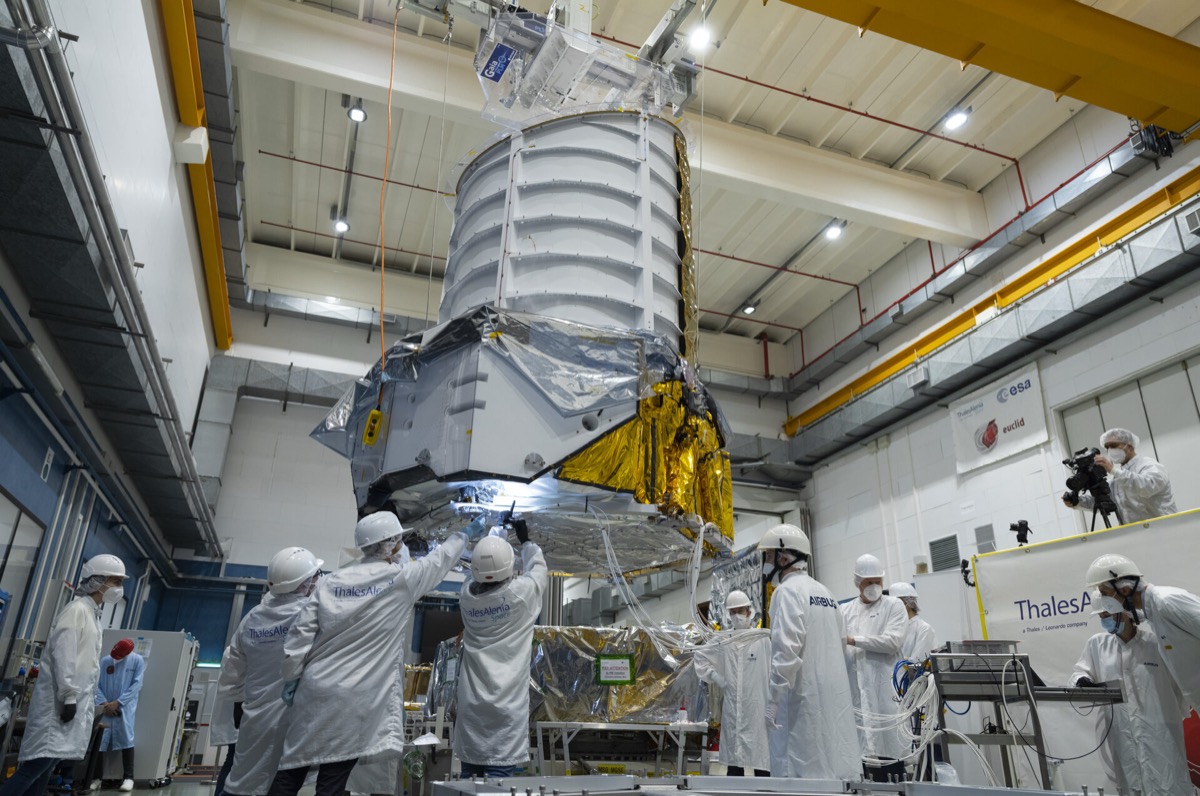
Four years ago, Thales Alenia Space invited me into their integration hall in Cannes. I was there to sketch ideas about running the unikernel software we had been building at Cambridge on satellites. Euclid was in the corner of the room, being prepared for its vacuum chamber test. That kind of early trust meant a lot -- a small team with a whiteboard, in the same building as a spacecraft about to travel 1.5 million kilometres from Earth. It led further than either of us expected, to ORCHIDE (Horizon Europe) and CEOS (BPI France), two major European consortium projects built around those same ideas.
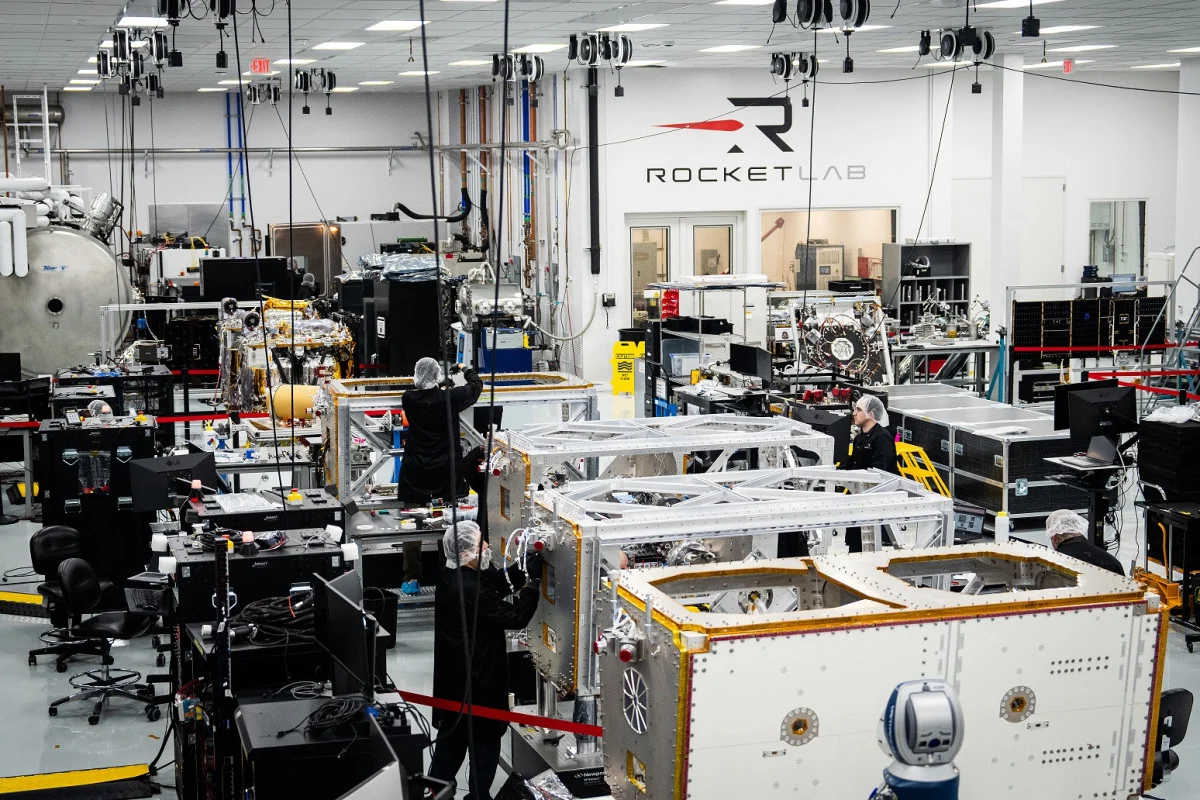
Last month I spent a week in Southern California visiting the people who build satellites. One morning I dropped my daughter at pre-school and walked to the building next door, where fifteen satellites were in simultaneous integration at different stages of assembly. That is what the LA space industry looks like: it is just there, woven into the neighbourhood. Another factory nearby was targeting high-volume production with a backlog of over forty spacecraft. A space avionics manufacturer we have since partnered with, whose hardware has flown on dozens of missions over twenty years. Engineers at NASA/JPL developing a reusable flight software framework. Teams from Techstars Space building ground segment tooling and application software that will run on other people's satellites. All of this within an hour's drive of each other. And the questions were different from 2022 -- not "could this work?" but "how big is the binary, what RTOS do you replace, how do you handle OTA updates, what does your security compliance story look like?"
Launch costs are falling and production volumes are rising, and how you produce space software at scale has to keep up. Ideas I have spent years on (library operating systems, building software that is correct by construction) are turning out to be well-timed. I am looking forward to sending more OCaml code to space this year. Ping me if you are interested ;-)
